



Union Zimbabwe Trust (UZT) is one of 27 grantees implementing the Stop TB Partnership TB REACH Wave 11 and piloting innovative TB case finding and integrated care through the “Computer-aided detection artificial intelligence (CAD-AI), Ultra-portable radiology & Field-based diagnosis for integrated community screening and care for tuberculosis (TB), silicosis, malnutrition and alcohol use disorder” (CUFF-TB). The project integrates TB, lung health services & screening for associated risk factors (alcohol use disorders & malnutrition) at community and primary care level in Midlands province.
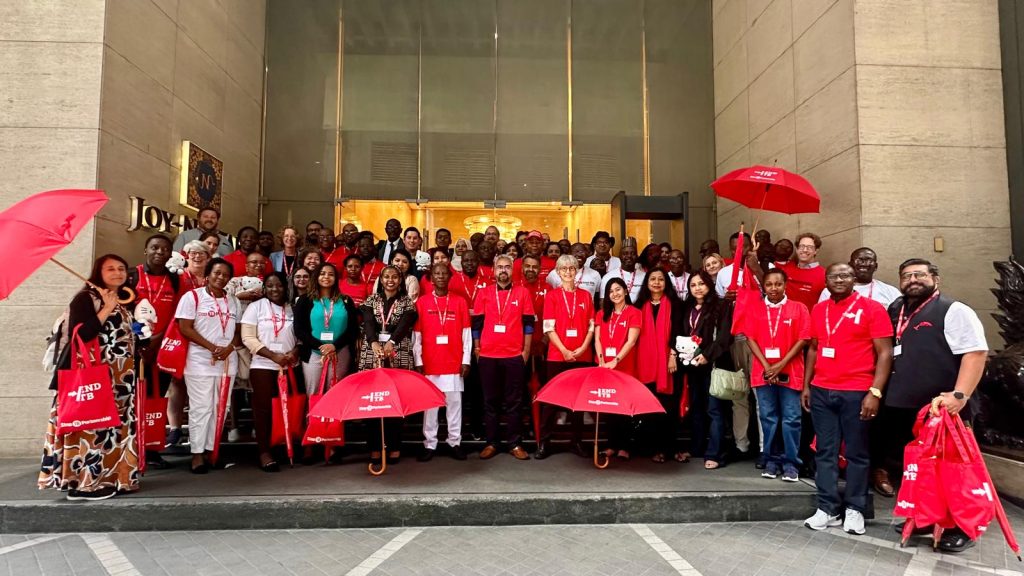
As part of monitoring implementation across all grantees, a grantee mid-term review workshop was organized in Manila, Philippines for Wave 11 grantees to share experiences and interim results. Over 80 participants from all the 27 Wave 11 TB REACH projects, reviewers from the TB REACH external M&E team, staff members of TB REACH Secretariat, experts on various topics from various organizations, donors and country representatives were in attendance. UZT was represented by the Executive Director and the CUFF-TB Project Lead.
The workshop was designed to serve as an opportunity for grantees to exchange and learn through interactions and discussions as well as sharing experiences, interim results and ideas for possible adoption. Approach consisted mainly of small group sessions and a few plenary sessions over three days covering service delivery; treatment and adherence; and data reporting and cross cutting issues.

This meeting was important for optimizing current W11 implementations through sharing of experiences (achievements and challenges), learnings from M&E and implementation research data as well as building and strengthening collaborations between organizations/grantees.
Dr Tawanda Mapuranga, CUFF-TB Project Lead shares his experiences and how he will apply lessons learnt to improve the local project.
What did I learn?
- Appreciated the flexibility and feasibility for changing algorithm in order to meet the intended outputs and targets;
- Similar constraints across grantees related to getting policy adjustments by the ministries of health; inclusion of novel disease conditions in integrated reporting through DHIS2;
- High magnitude of clinical diagnosis of TB with use of CAD AI being likely in cross cutting contexts and the need for quality control measures such as monitoring for previous history of TB without current symptoms for guiding clinical judgement;
- Use of dashboards and WhatsApp groups reported as best practices in monitoring data and coordinating field processes respectively, while use of client exit interviews (satisfaction survey) was exclusively recognised for CUFF-TB and adopted by peers;
- Delays in TB treatment initiations for community-based diagnoses was not an isolated challenge for CUFF-TB, rather a common finding across projects doing similar approach. In Uganda, the median time to initiate treatment was 7 days with a range of 4-21 days;
- Reporting project-related integration data through the national DHIS2 platform noted to improve adoption by national TB programs compared to settings where project data is reported outside DHIS2 or by independent geo-locations, as in Vietnam TB REACH project;
- Scaling up sustainable interventions from wave 11 projects requires strong stakeholders’ buy-in, alignment with currently altered funding landscape and early planning;
- Real time data analysis (from both DHIS2 and other project-specific data platforms such as RedCap, Excel database, customised electronic applications) and use for decision making noted as key for shaping the projects’ progress and success;
- Spirometry and other novel approaches such as digital stethoscope that uses sound echoes to detect TB abnormalities were demonstrated as innovations for future adoption;
- CUFF-TB project noted to be on course and comparable to other grantees in responding to TB REACH wave-level questions.