



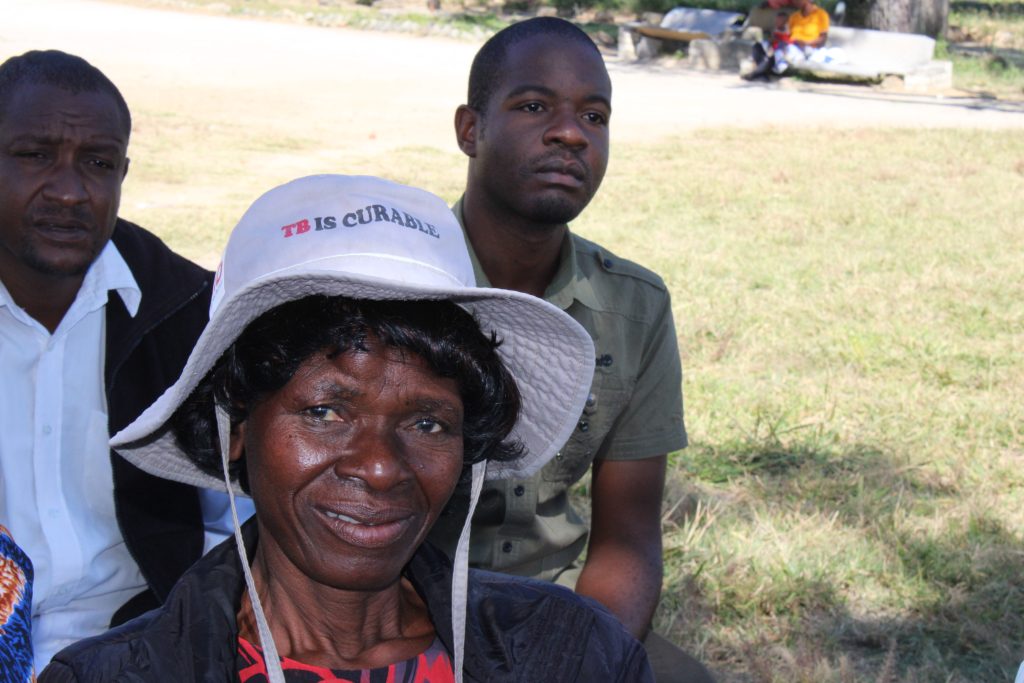
More than 180 Community Health Workers (CHWs) in Mberengwa and Zvishavane districts are now better equipped to combat Tuberculosis (TB)thanks to comprehensive training under the innovative This initiative is part of the CUFF TB project (CAD-AI, Ultra-portable radiology, and Field-based diagnosis), which aims to integrate community-level screening and care for TB, silicosis, malnutrition, and alcohol use disorder.
The training, delivered through five cluster sessions across both districts, provided CHWs, Environmental Health Technicians, and local representatives with essential knowledge on TB basics, signs, symptoms, and their vital role in both the CUFF TB project and the broader national TB response. In Zvishavane, sessions took place at Mandava Clinic and Lundi Rural Hospital, while Mberengwa hosted sessions at council offices, Mataga, and Jeka Rural Hospital.

The Union Zimbabwe Trust (UZT), in partnership with the Ministry of Health and Child Care’s National TB Control Programme, is leading the CUFF TB project. This ground-breaking program integrates TB and lung health services with critical associated risk factors. A key component is the use of ultra-portable X-ray technology enhanced with Artificial Intelligence (AI) for computer-aided detection, streamlining diagnosis and care at the community level.
Nkulumo Ncube, Zvishavane District TB Coordinator, underscored the importance of this training, noting that CHWs are instrumental in educating and mobilizing communities. “We are thrilled to be a pilot district for this innovation,” said Ncube, expressing strong belief in the CHWs’ potential to make a significant impact.

Mberengwa and Zvishavane in Midlands Province were strategically selected due to their high TB rates and significant mining activity. The Stop TB Partnership provides crucial support for the CUFF TB project through its TB REACH Wave 11 funding mechanism.